Utility costs can be a significant burden on both residential and commercial property owners. While rising energy prices are often beyond our control, there are practical steps we can take to optimize our existing units and reduce overall utility expenses. From hot water tank installation to efficient water heater repair, understanding how these systems work and maintaining them properly can lead to substantial savings.
The focus here is primarily on water heating systems, as they account for a large portion of energy consumption in most homes and businesses. If your water heater is not functioning optimally, it could be costing you more than necessary. Effective management of your hot water tank can save money and extend the lifespan of the unit.
Understanding Your Water Heating System
To effectively reduce utility costs, it's essential first to understand the components of your water heating system. Most residential and commercial properties utilize either tankless or traditional storage water heaters. Each type has its advantages and drawbacks regarding efficiency and operational costs.
Traditional hot water tanks store a specific amount of heated water for immediate use. However, they require continuous energy input to keep that stored water at the desired temperature, leading to what is known as standby heat loss. In contrast, tankless systems heat water on demand, eliminating standby losses but potentially resulting in higher initial installation costs.
Recognizing the specific needs of your household or business will help you choose between these options when considering new installations or replacements.
Regular Maintenance
Maintaining your current system is critical for ensuring optimal performance and longevity. Regular maintenance checks not only enhance efficiency but also prevent costly repairs down the line. Here are some key maintenance tasks:
Flushing the Tank: Sediment buildup in a hot water tank can significantly hinder performance. Annual flushing helps remove this buildup, improving efficiency.
Checking the Anode Rod: The anode rod helps prevent corrosion inside the tank. Inspecting it regularly ensures that it remains effective; if it's heavily corroded, replacing it can extend the life of your unit.
Inspecting Pressure Relief Valve: This valve is crucial for safety; if malfunctioning, it could cause leaks or worse. Testing its functionality should be part of routine maintenance.
Thermostat Calibration: Ensure that your thermostat settings align with your actual needs; setting it too high may lead to unnecessary energy consumption.
Insulating Pipes: Insulating hot water pipes minimizes heat loss during delivery from the heater to fixtures, further enhancing efficiency.
These simple tasks can lead to noticeable reductions in utility bills while enhancing comfort levels in your environment.
Upgrading Components for Efficiency
If maintenance alone does not yield satisfactory results, consider upgrading certain components within your system rather than replacing the entire unit. A few upgrades can dramatically improve efficiency without requiring a full overhaul:
- Heating Element Replacement: Over time, heating elements wear out; replacing them when they do will restore optimal performance without needing a new unit. Expansion Tank Installation: An expansion tank prevents excessive pressure build-up in your plumbing system caused by thermal expansion when water heats up. Smart Thermostats: These allow you better control over heating schedules based on usage patterns, helping avoid heating during non-peak times when no one is home.
When Repair Is Not Enough
There will come a time when repairs no longer suffice or become economically unfeasible compared to replacement costs. If you're facing frequent issues like leaking or inconsistent temperatures—especially if accompanied by higher utility bills—it might be time for professional evaluation regarding replacement options.
When contemplating hot water heater replacement, consider factors such as size requirements based on household usage patterns versus energy efficiency ratings (like Energy Star). Choosing an energy-efficient model may have a higher upfront cost but can significantly lower ongoing operational expenses through optimized energy use.
Understanding Utility Rates
Utility rates vary widely depending on location, provider policies, and even time-of-use pricing structures where rates fluctuate throughout the day based on demand levels. Understanding how these rates apply to you can provide further insights into managing costs effectively.
For instance, if your utility provider offers lower rates during off-peak hours—typically late at night or early morning—plan activities like laundry or dishwashing during these periods whenever possible to maximize savings.
Exploring Renewable Options
In addition to optimizing existing units, exploring renewable energy solutions such as solar-powered https://thepleasantplumbermn.com/contact-us/ water heaters could offer long-term savings coupled with environmental benefits. Although solar installations typically require upfront investment and consideration of local regulations regarding installation setups—many regions offer incentives that help offset those initial costs significantly while providing ongoing savings through reduced monthly utility bills.
Professional Water Heater Services
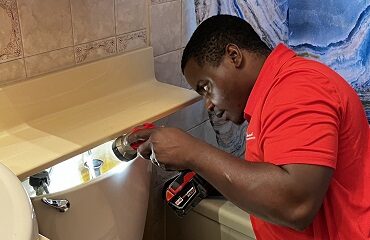
Engaging with professional services enhances both effectiveness and peace of mind regarding repairs or maintenance tasks that might go beyond DIY capabilities—especially complex jobs like pilot light repair or sediment flushing service where specialized tools may be required for proper execution without causing damage.
Furthermore:
- Comprehensive Assessments: Professionals can conduct thorough assessments identifying potential inefficiencies that may not be immediately obvious. Expert Guidance: They offer advice tailored specifically toward individual circumstances ensuring improvements made align directly with personal needs rather than broad assumptions about typical usage patterns.
Investing in expert services upfront often saves money over time by preventing complications from poorly executed repairs or inadequate maintenance routines leading toward premature failures necessitating complete replacements sooner than anticipated.
Long-Term Perspectives
Reducing overall utility costs through optimization requires ongoing dedication—not just isolated efforts here-and-there but rather consistent attention across all aspects involved from regular upkeep schedules maintaining current units efficiently down through educated decisions concerning future replacements where warranted eventually transitioning toward solutions beneficial both financially yet environmentally sustainable over extended periods ahead too!
Ultimately every small step counts towards achieving greater goals—balancing comfort against economical constraints prioritizes taking actionable measures today ensuring brighter prospects tomorrow within various contexts ranging across households businesses alike striving towards financial stability amidst escalating pressures felt daily regarding utilities consumed!
By implementing these strategies surrounding effective management practices around existing units along side enhancements achieved via professional support maintaining clear awareness surrounding evolving market trends provides robust framework enabling sustainable growth resulting ultimately transforming burdensome expenses into manageable investments realized alongside tangible returns witnessed through reduced expenditures experienced firsthand!